Borosilicate · Studio Series
Tapered Vessel
Single-gather blown borosilicate. The taper is formed in one continuous rotation — no joins, no seams, no compromise.
Est. 2006 · Artisan Glassware
Every vessel begins as silica sand at 1400°C. What remains is clarity, weight, and the memory of heat — modern glass and centuries-old tradition, in one workshop.
Contemporary
Borosilicate · Studio Series
Single-gather blown borosilicate. The taper is formed in one continuous rotation — no joins, no seams, no compromise.
Lab Glass · Utility Series
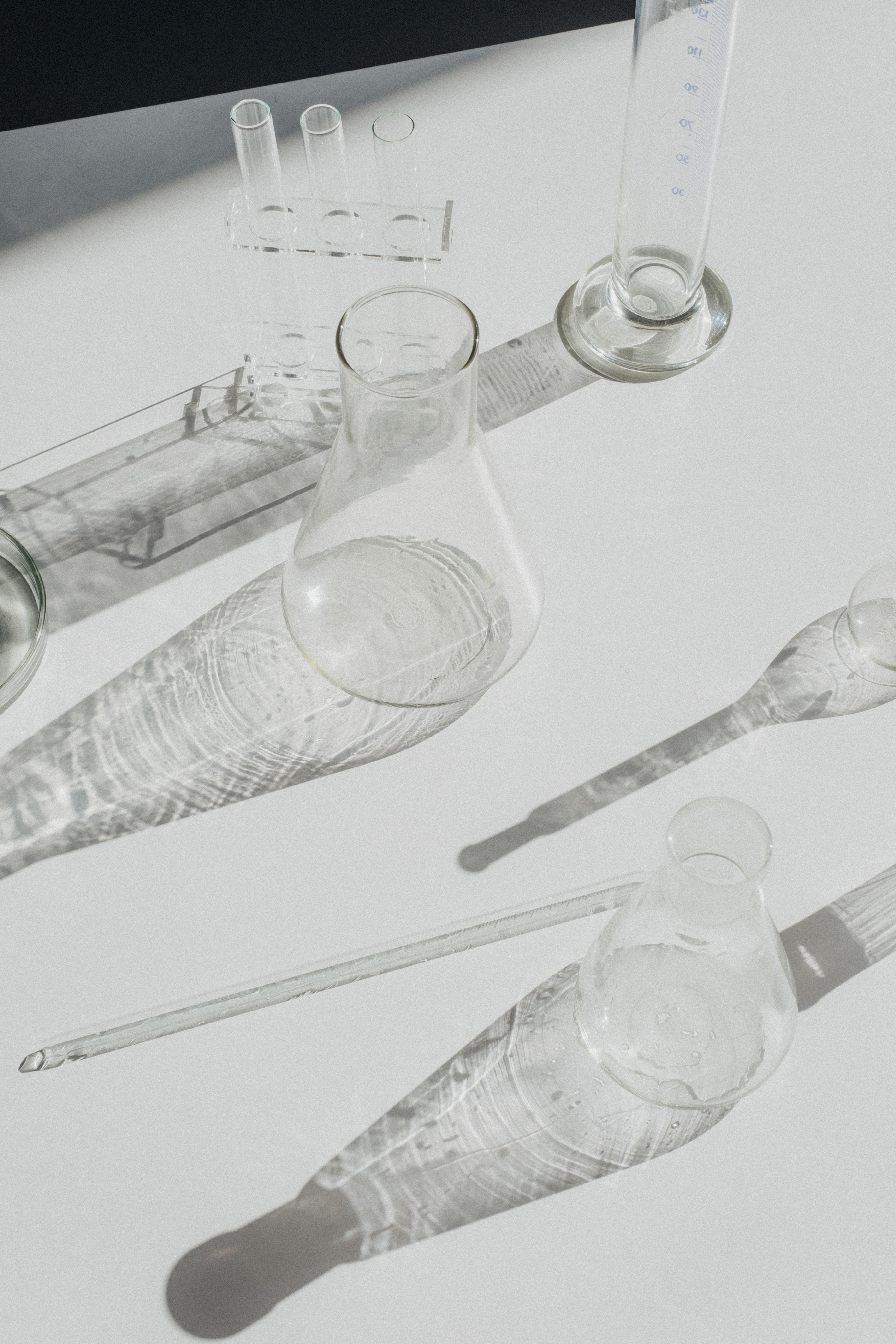
Borrowed from analytical chemistry — ground glass stopper, graduated body, zero taste transfer. Function as aesthetic.
Soda-lime · Form Series
Kiln-slumped smoked glass over a ceramic mould. The ripple pattern is the glass's own memory of heat and gravity.
Borosilicate · Tea Series
Two concentric blown layers with air between — the inner wall floats inside the outer. Keeps hot drinks hot and cold drinks cold.
Heritage
Lead Crystal · Bohemia
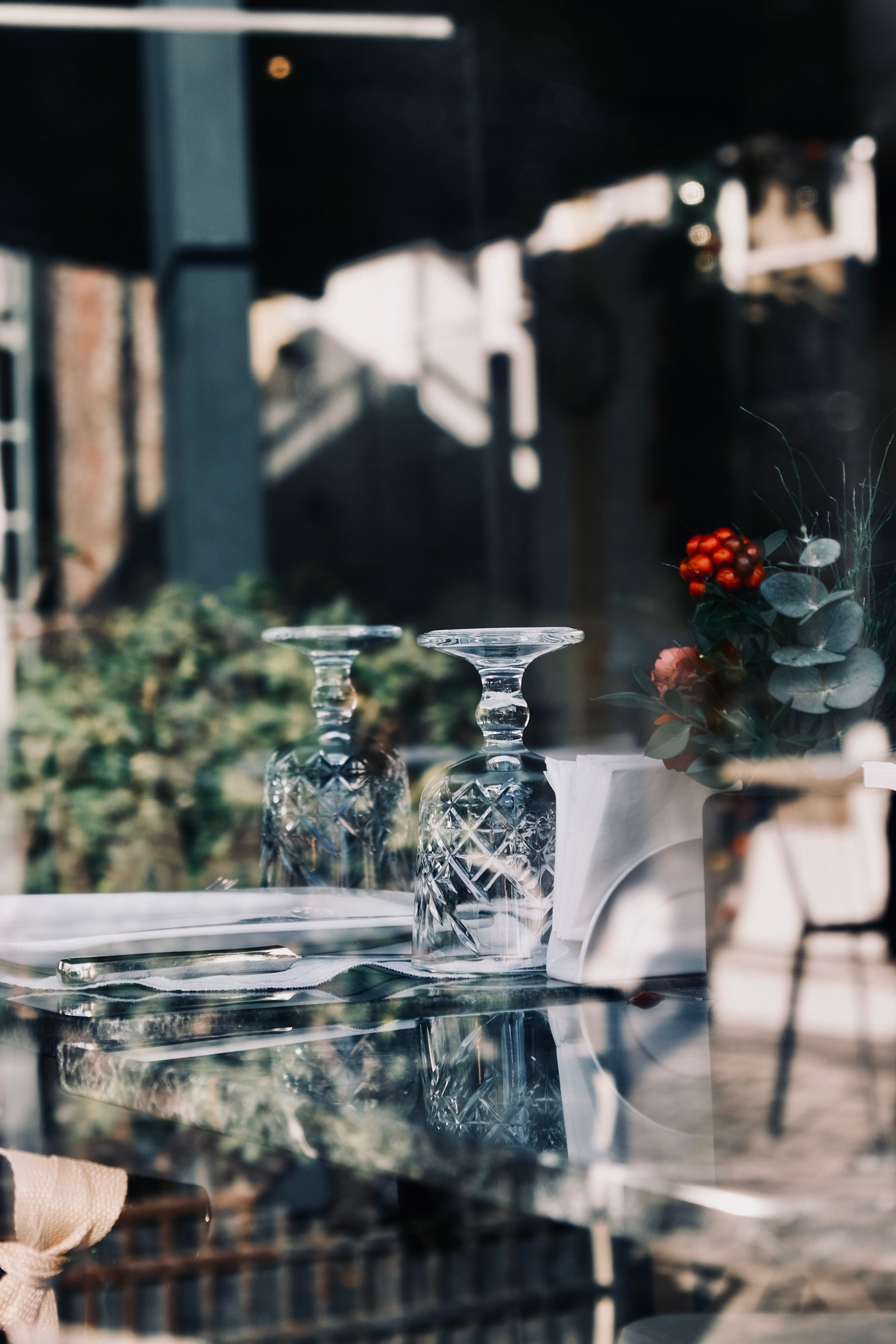
24% lead crystal, wheel-cut by hand in the Czech highlands. Each facet is ground, then polished — the prismatic fire comes from the geometry, not the glass.
Soda-lime · Murano, Venice
A thousand flowers. Each colour is a drawn glass cane sliced into cross-sections and fused — a 15th-century technique unchanged in any meaningful way.
Recycled glass · Ancient method
Molten glass poured into a sand mould — the oldest casting method known. The rough exterior preserves the grain of the sand; the interior is polished flat.
Cathedral glass · Antique method
Mouth-blown cathedral glass in hand-cut pieces held with lead caming — soldered at each joint. The method of every Gothic window ever made.
The Workshop
Technically amorphous — neither solid nor liquid in the conventional sense. What makes glass remarkable is not just what it allows through, but what it holds in — heat, memory, and the signature of the breath that formed it.
Silica sand, soda ash, and limestone fuse into a molten mass — completely fluid and orange-white with heat.
At cherry-red heat the gather is workable for seconds — blown, pulled, or pressed before it stiffens.
The formed piece enters the lehr — a slow-cooling oven that removes internal stress. Skip this and the glass shatters.
Cold-worked, cut, polished, or sandblasted. The final form is revealed — and kept forever.
Side by Side
Our Studio
Every piece is attributed to its maker, technique, and country of origin. We do not sell anonymous production glass.
Custom-blown vessels, bespoke cut crystal, and architectural panels — all commissions worked directly with the making studio.
Chipped rims restored, cracked panels re-leaded, broken stems repaired in matching crystal. Glass is worth keeping.
Each piece leaves with a signed certificate and kiln notes. The object's complete history travels with it.
Tell us the form, the function, and the light in the room where it will live. We will do the rest.
Open a Commission